The Ultimate Used Car Buyer Checklist for Smart Decisions
Buying a used car can be a practical way to save money while getting a reliable vehicle. However, without a proper inspection and evaluation process, buyers may face unexpected repair costs and maintenance issues after purchase. A thorough checklist helps identify potential concerns before making a commitment.
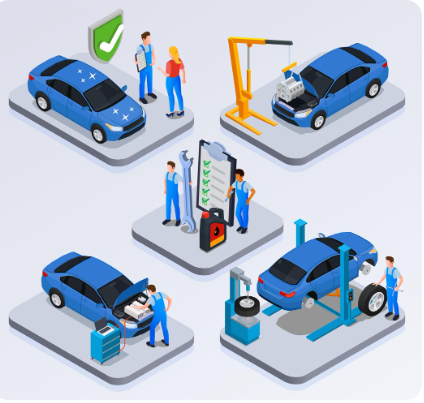
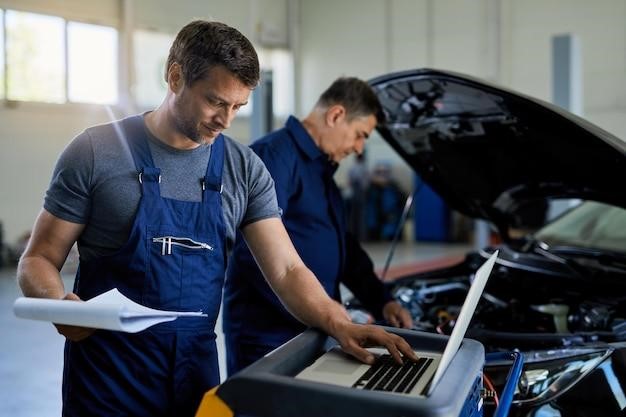
Your Virtual Mechanic helps car buyers understand vehicle condition through professional assessments and Online Car Inspection/Evaluation services. Whether you are considering a sedan, SUV, hatchback, or commercial vehicle, a structured Vehicle Inspection/Evaluation process can help you make informed decisions and reduce the risk of costly surprises.
This guide covers everything you need to know before purchasing a used vehicle, including documentation checks, mechanical inspections, test drives, and common warning signs.
Why a Used Car Inspection/Evaluation Matters
A used car may appear well-maintained on the surface while hiding mechanical, electrical, or structural problems underneath. Conducting a detailed Vehicle Inspection can reveal issues that may not be immediately visible during a casual viewing.
Benefits of inspecting a used vehicle include:
- Identifying hidden mechanical defects
- Verifying the overall condition of the vehicle
- Understanding future maintenance requirements
- Avoiding expensive repair bills
- Negotiating a fair purchase price
- Confirming roadworthiness and safety
Whether you arrange an Online Car Inspection or hire a Mobile Mechanic, an independent assessment provides valuable insight before completing the purchase.
Essential Used Car Buyer Checklist
Check Vehicle Documentation First
Before inspecting the physical condition of the vehicle, review all available documents carefully.
Important documents to verify include:
- Vehicle registration certificate
- Service history records
- Insurance documents
- Ownership records
- Roadworthy certificate where applicable
- Loan clearance documentation
- Emission test certificates
Ensure that the Vehicle Identification Number (VIN) matches the documentation. Any discrepancies should be investigated before proceeding.
Review the Vehicle History
A vehicle’s history can provide valuable information about previous accidents, repairs, and ownership.
Look for:
- Accident records
- Insurance claims
- Flood or water damage history
- Odometer inconsistencies
- Number of previous owners
- Major repair records
A complete service history often indicates that the vehicle has been maintained regularly.
Exterior Inspection Checklist
The exterior condition can reveal signs of previous accidents, poor repairs, or neglect.
Examine the Body Panels
Walk around the vehicle and inspect every panel carefully.
Check for:
- Dents and scratches
- Rust spots
- Uneven paint colour
- Misaligned panels
- Poor paint repairs
- Welding marks
Panel gaps should appear consistent across the entire vehicle. Uneven gaps may indicate previous collision damage.
Inspect the Tires
Tires can reveal important information about vehicle maintenance.
Look for:
- Uneven tread wear
- Cracks or sidewall damage
- Mismatched tire brands
- Low tread depth
- Signs of suspension issues
Uneven tire wear often points to alignment or suspension problems.
Check Lights and Glass
Inspect all external components for damage.
Verify the condition of:
- Headlights
- Taillights
- Indicators
- Fog lights
- Windshield
- Side windows
- Mirrors
Cracks or moisture inside lighting assemblies may require replacement.
Interior Inspection Checklist
The cabin condition often reflects how the vehicle has been treated by previous owners.
Inspect Seats and Upholstery
Check the condition of:
- Seats
- Headrests
- Carpet
- Roof lining
- Door trims
- Dashboard surfaces
Excessive wear may indicate higher usage than the odometer suggests.
Test Interior Features
Ensure all electrical functions operate correctly.
Test:
- Power windows
- Central locking
- Air conditioning
- Heating system
- Audio system
- Dashboard controls
- Interior lighting
- USB and charging ports
Any malfunction should be factored into the overall value of the vehicle.
Look for Warning Lights
Turn the ignition on and observe the dashboard.
Watch for warning indicators related to:
- Engine management
- Airbags
- ABS braking system
- Battery charging system
- Oil pressure
Persistent warning lights may indicate underlying mechanical or electrical faults.
Under the Hood Inspection
A detailed engine inspection can reveal signs of poor maintenance or future repair needs.
Check Fluid Levels
Inspect:
- Engine oil
- Coolant
- Brake fluid
- Power steering fluid
- Transmission fluid
Fluid contamination or low levels may indicate maintenance concerns.
Look for Leaks
Check around the engine bay for:
- Oil leaks
- Coolant leaks
- Fuel leaks
- Hydraulic fluid leaks
Fresh fluid stains should be investigated further.
Inspect Belts and Hoses
Examine visible components for:
- Cracks
- Fraying
- Soft spots
- Excessive wear
Damaged belts and hoses can lead to breakdowns if not replaced.
Suspension and Braking System Assessment
The suspension and braking systems directly impact safety and driving comfort.
Signs of suspension issues include:
- Uneven ride height
- Excessive bouncing
- Clunking noises
- Steering vibration
Brake system checks should include:
- Brake pad condition
- Rotor wear
- Brake fluid level
- Brake pedal response
A qualified Mobile Mechanic can provide a more detailed assessment of these systems.
Conduct a Thorough Test Drive
A test drive is one of the most important stages of the buying process.
During the Test Drive, Check:
- Engine performance
- Transmission operation
- Steering response
- Braking performance
- Suspension comfort
- Road noise levels
- Acceleration
- Fuel efficiency indicators
Drive under different conditions whenever possible, including city streets and highways.
Listen for Unusual Sounds
Pay attention to:
- Knocking noises
- Squeaks
- Grinding sounds
- Engine rattles
- Suspension clunks
Unusual sounds often indicate components requiring repair or replacement.
Signs You Should Walk Away
Not every used vehicle is worth purchasing. Some warning signs should prompt further investigation or reconsideration.
Red flags include:
- Evidence of flood damage
- Odometer inconsistencies
- Severe rust
- Missing service history
- Multiple dashboard warning lights
- Poor accident repairs
- Significant fluid leaks
- Engine overheating
Identifying these issues early can save substantial repair costs later.
The Value of an Online Car Inspection/Evaluation
Modern technology allows buyers to obtain professional assessments remotely through an Online Car Inspection/Evaluation.
Advantages include:
- Convenience
- Faster evaluation process
- Professional reporting
- Detailed condition assessments
- Reduced travel requirements
- Greater purchasing confidence
For buyers considering vehicles located in different cities or regions, an Online Car Inspection provides convenience of scheduling and ongoing support when viewing the used car or truck.
Why Independent Vehicle Inspection/Evaluation Services Matter
Independent inspections help provide objective information about a vehicle’s condition.
Professional inspectors evaluate:
- Mechanical systems
- Structural integrity
- Safety components
- Electrical systems
- Cosmetic condition
- Maintenance requirements
Using a qualified Mobile Mechanic or inspection specialist reduces the risk of overlooking important defects.
We provide expert assessments, clear reporting, and trusted guidance to help you make confident decisions about your vehicle.
Cost Considerations Beyond the Purchase Price
Many buyers focus solely on the advertised price and overlook future ownership expenses.
Consider factors such as:
- Registration fees
- Insurance costs
- Fuel consumption
- Scheduled maintenance
- Tire replacement
- Brake servicing
- Unexpected repairs
Understanding the total cost of ownership helps create a more accurate budget.
Final Thoughts
Purchasing a used vehicle requires careful research, inspection, and evaluation. Following a structured used car buyer checklist can help identify potential issues and support informed decision-making. Reviewing documentation, conducting a thorough Vehicle Inspection, assessing mechanical condition, and completing a comprehensive test drive are essential steps in the process.
Professional support from Your Virtual Mechanic can provide additional confidence through Online Car Inspection services and experienced Mobile Mechanic assessments. Taking the time to evaluate every aspect of the vehicle before purchase can help reduce risks and improve long-term ownership satisfaction.
For more information about vehicle inspections click here
Frequently Asked Questions